Chicken Cuts: Thighs, Drumsticks, Wings & Breasts
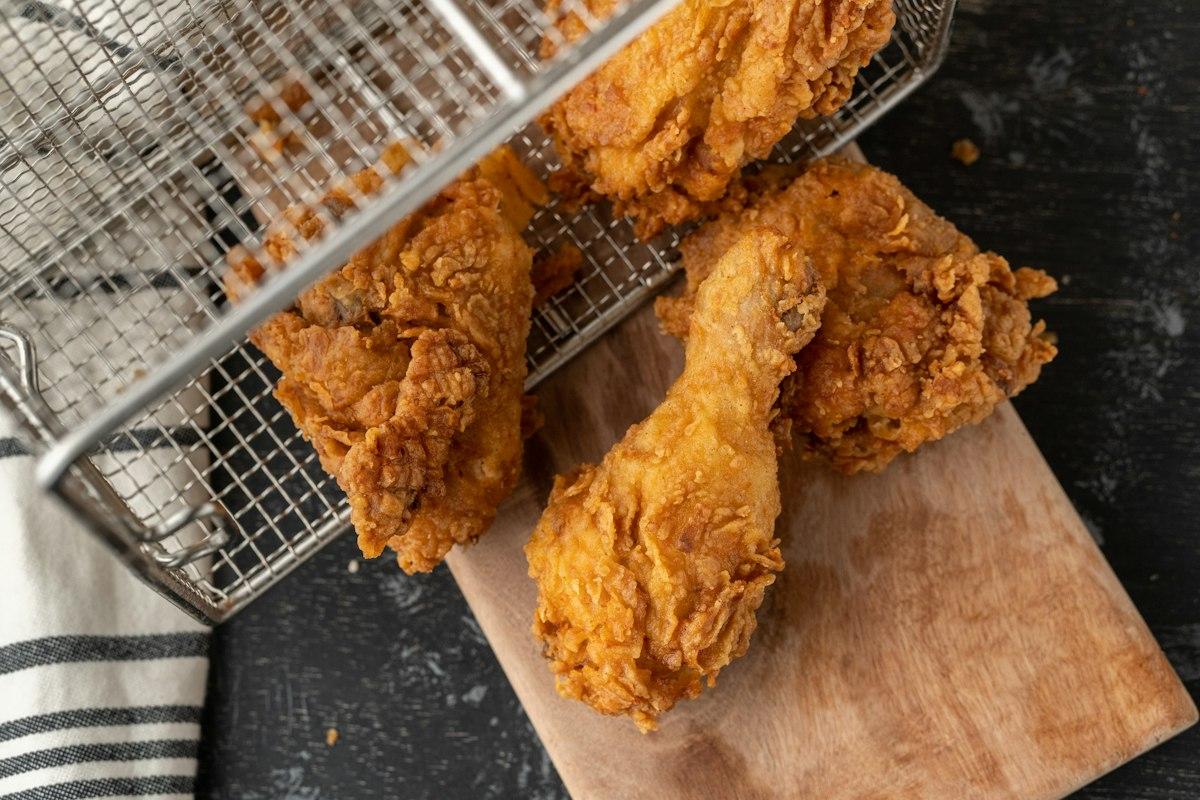
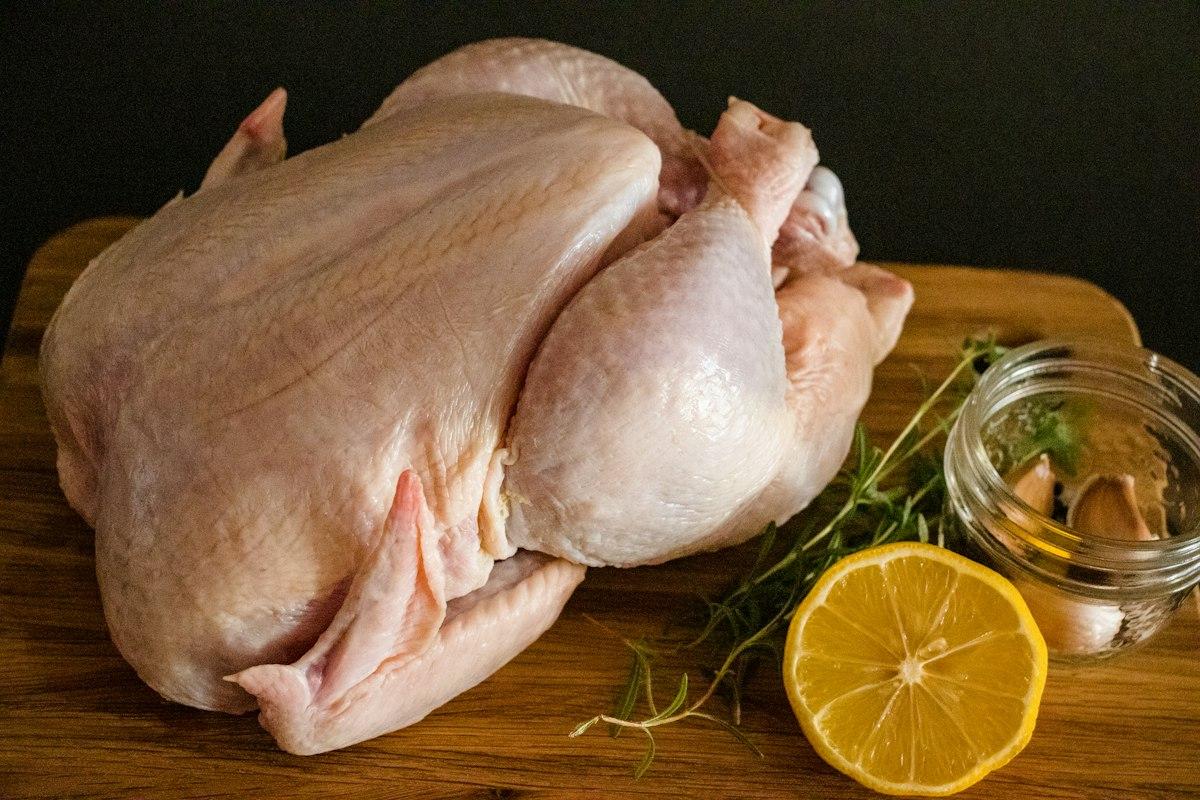
Different chicken cuts behave drastically different in 350°F oil. Bone-in thighs offer maximum tolerance against overcooking, while white breast meat requires precision timing.
Learn how each ingredient functions at 350°F: why cornstarch prevents leathery gluten, how lactic acid brines tenderize, and which oils offer the highest smoke points.

Different chicken cuts behave drastically different in 350°F oil. Bone-in thighs offer maximum tolerance against overcooking, while white breast meat requires precision timing.

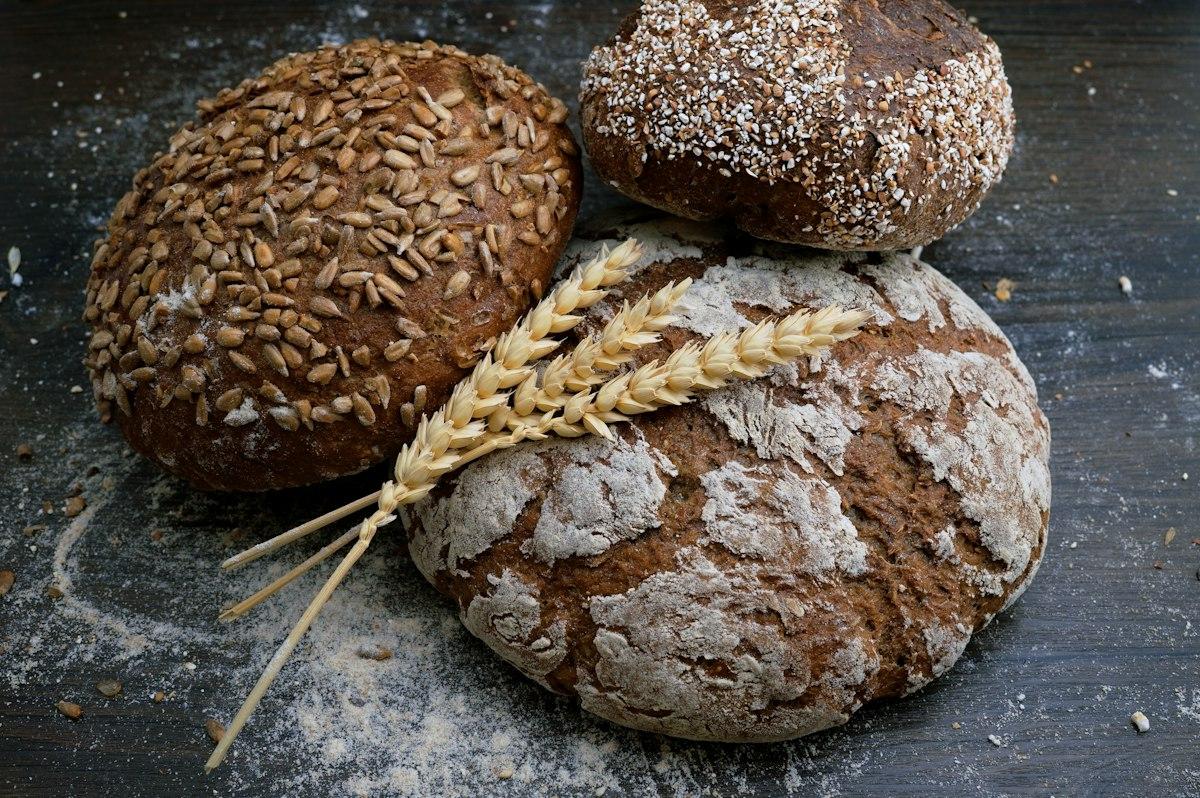
The backbone of Western fried chicken breading. It provides wheat proteins that bind to liquids and carbohydrates that brown into golden, savory goodness.

The secret weapon for shatteringly crisp fried chicken. Contains 100% pure starch and zero gluten protein.

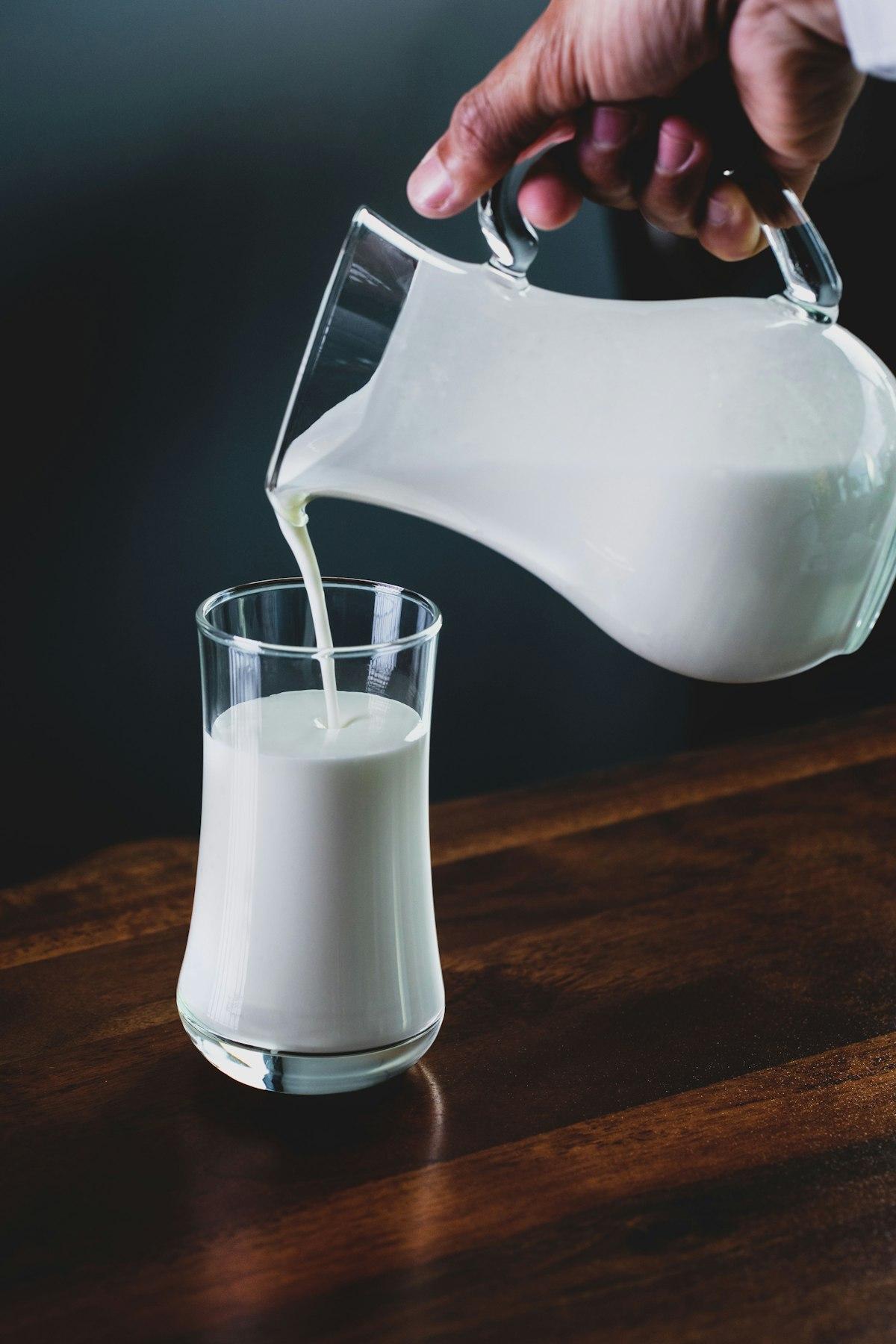
The quintessential Southern marinade liquid. It softens poultry fibers without turning them mushy and acts as the perfect glue for flour dredges.

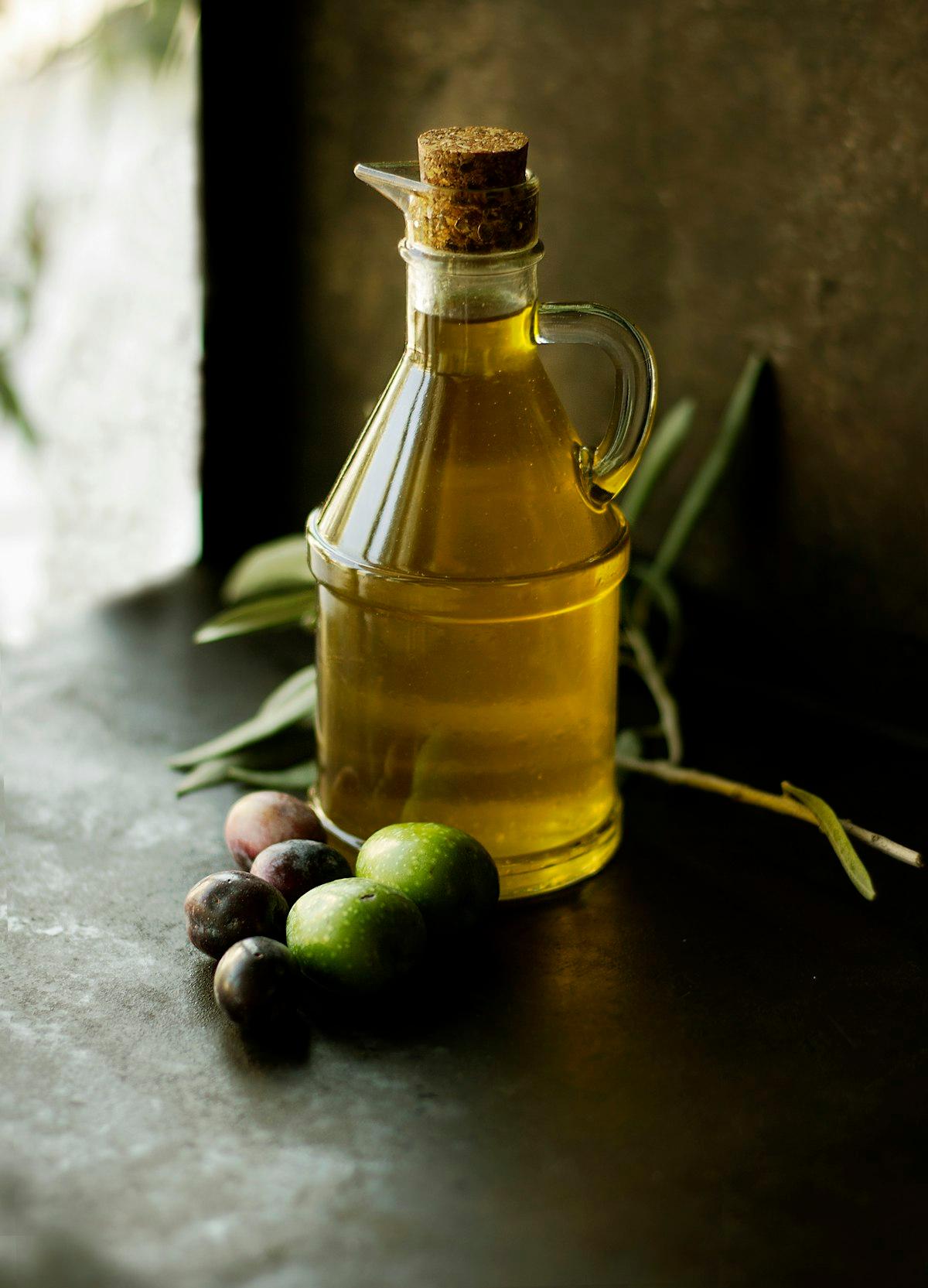
The cooking medium that makes frying possible. Oil transfers heat hundreds of times faster than air, rapidly flash-boiling surface moisture into crisp crust.

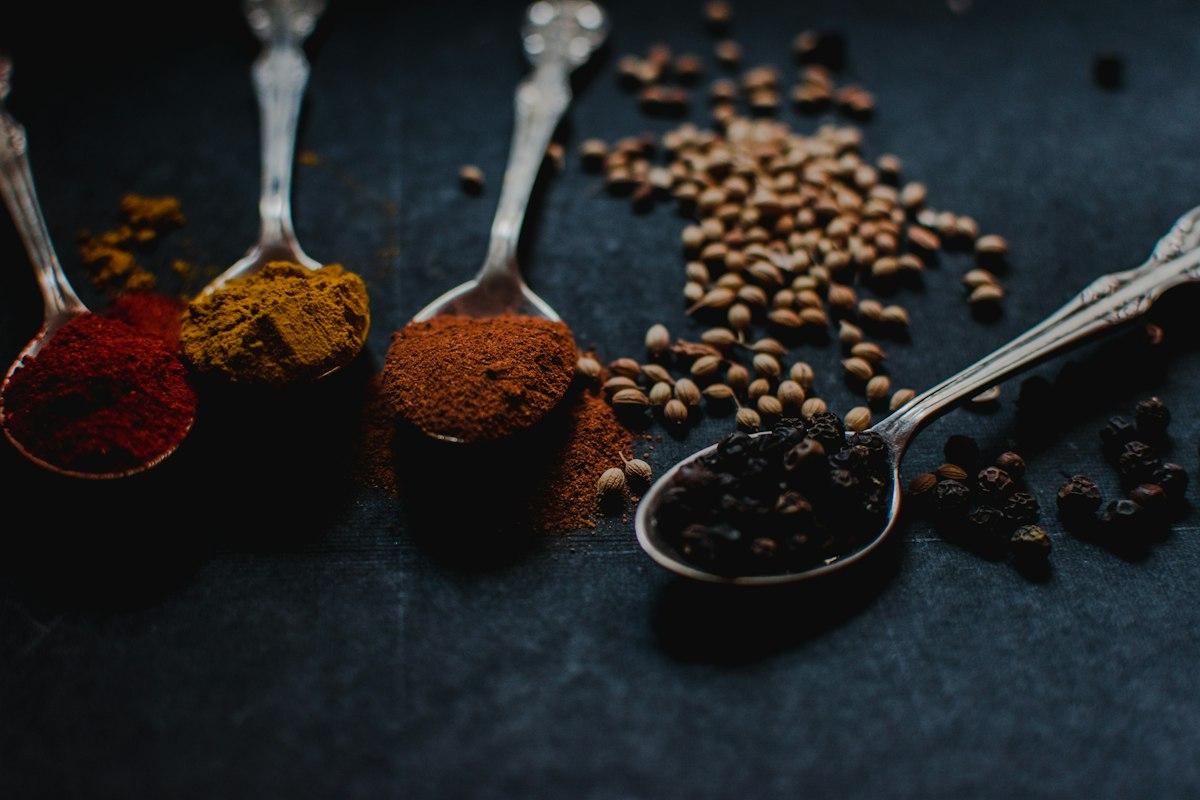
Ground from dried sweet capsicum peppers, paprika gives fried chicken its appetizing reddish-golden hue and earthy aroma without overwhelming heat.

Unlike fresh garlic, which burns into bitter black specks at 350°F, garlic powder blends seamlessly into dry flour and blooms in hot oil.

The dynamic pepper duo. Black pepper gives visual rustic specks and citrusy bite, while white pepper provides clean, intense earthy heat without dark flecks.