
How to Marinate Chicken for Maximum Juiciness and Flavor
The culinary science of buttermilk, salt brines, pickle juice, and aromatics. Learn why marinating makes fried chicken impossibly succulent.
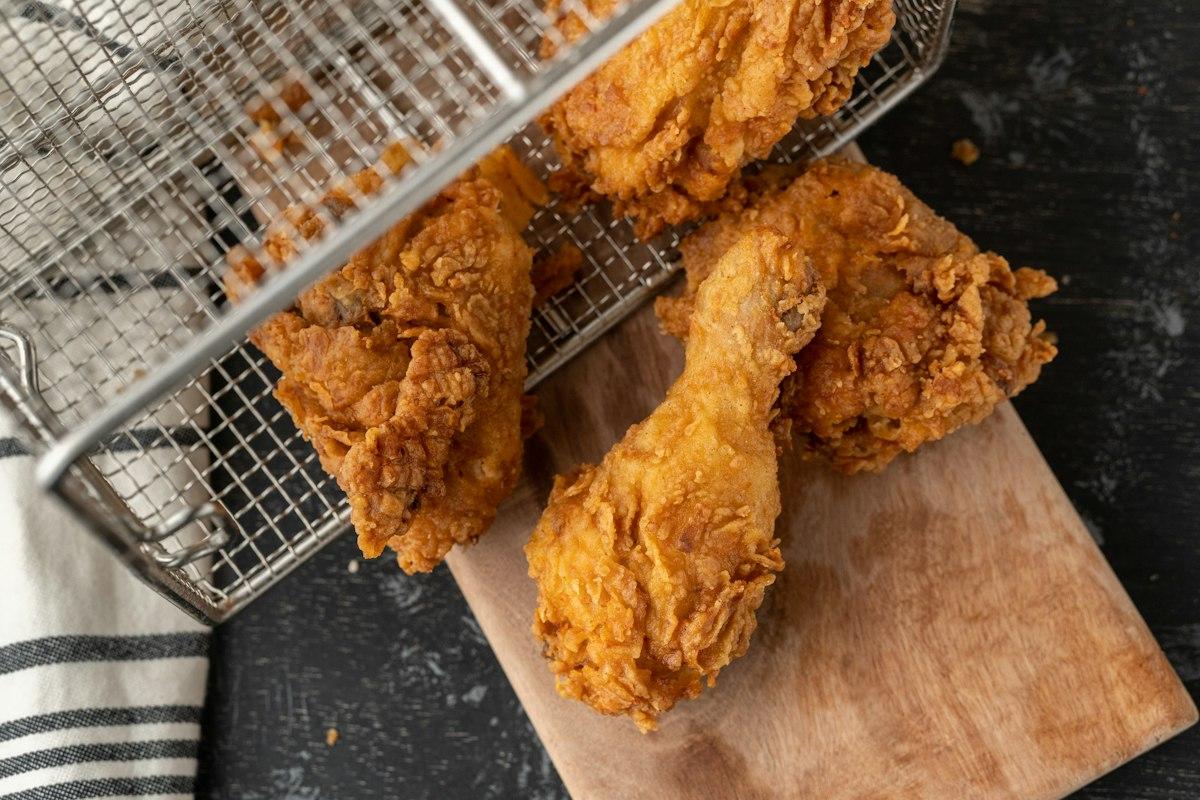
To properly marinate chicken for frying, submerge pieces in cultured buttermilk seasoned with 1% kosher salt, garlic powder, black pepper, and 2 tablespoons of dill pickle brine for 4 to 12 hours refrigerated.
Key Culinary Rules:
- Lactic acid in buttermilk breaks down collagen gently without turning meat mushy.
- Salt acts as an osmotic pump, drawing moisture and seasoning deep into muscle tissues.
- Optimal marinating time is between 4 and 12 hours for bone-in cuts.
- Adding pickle brine introduces vinegar acidity, dill, and garlic undertones.
Why Buttermilk Outperforms Citrus or Vinegar
Strong acids like lemon juice or raw distilled vinegar have low pH levels that can denature and "cook" meat proteins quickly, squeezing out moisture and creating a chalky, stringy exterior.
Buttermilk, on the other hand, contains mild lactic acid. Lactic acid works gently, tenderizing protein fibers and softening collagen connective tissue without breaking down the cellular structure. Furthermore, milk sugars (lactose) caramelize during frying, producing an appetizing golden hue.
Common Questions About This Technique
Can you marinate fried chicken for too long?
Yes. Marinating bone-in chicken for more than 24 hours in acidic buttermilk can cause the exterior meat to become unpleasantly soft or mealy. Stick to 4 to 12 hours for ideal texture.
More Cooking Guides & Tutorials
How to Make Fried Chicken Extra Crispy: The Ultimate Culinary Science Guide
Discover the exact food science behind shatteringly crisp fried chicken—from cornstarch ratios and baking powder micro-blisters to double dredging and wire rack drying.
The Best Oil Temperature for Frying Chicken: Complete Heat Guide
Master the thermal rules of frying chicken: starting oil temperatures, drop recovery, bone-in vs boneless cuts, and internal safety temperatures.
How to Fry Chicken Without a Deep Fryer: Skillet & Dutch Oven Methods
You do not need a commercial deep fryer to make crispy fried chicken. Learn the skillet shallow fry and heavy Dutch oven immersion techniques at home.